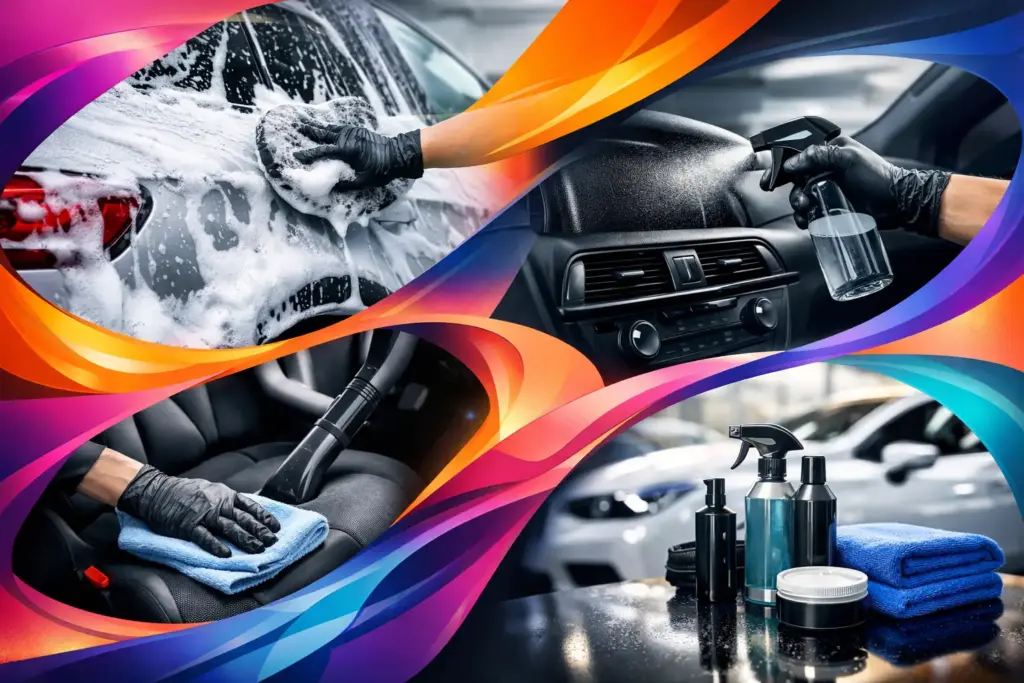
A clean cabin is not just about appearance. Dust on the dash, oily fingerprints on touchpoints, salt marks on mats, and food spills in fabric all change how a vehicle feels to drive and how it holds its value. If you are searching for an auton sisätilojen puhdistus aine, the right choice depends on the surface, the soil, and the finish you want after cleaning.
One all-purpose bottle can handle light daily dirt, but it is not automatically the best answer for every interior job. Fabric, leather, clear plastic, screens, rubber mats, and textured trim react differently to moisture and cleaning strength. Use the wrong product or too much of the right one, and the result can be streaks, residue, a glossy dash, or a surface that attracts fresh dust quickly.
Start with the surface, not the stain
The fastest way to choose an interior cleaner is to identify what you are cleaning before reaching for a spray bottle. Modern vehicle interiors combine several materials in a small space, often right next to each other. A cleaner that works well on a door panel may be too strong for a leather seat or leave marks on piano-black trim.
For routine dust, fingerprints, light grease, and general grime on plastic, vinyl, rubber, and door sills, a quality interior all-purpose cleaner is the practical starting point. It should lift soil effectively while drying clean, without a slippery or overly shiny finish. Matte interior trim should look clean when you are done, not freshly coated in dressing.
Fabric seats and carpet need a fabric-safe cleaner that can break down embedded dirt without soaking the padding beneath. Leather needs a dedicated leather cleaner, especially when the surface has a coated finish. Glass requires a streak-free glass cleaner rather than an interior cleaner, because film from cleaners or dressings can reduce visibility in sunlight.
What a good auton sisätilojen puhdistusaine should do
A good auton sisätilojen puhdistusaine removes visible dirt and body oils while respecting the material underneath. In practical terms, that means it should clean without bleaching fabric, drying leather, leaving a greasy film, or creating glare on the dashboard.
Look for a product with a clear intended use. Product labels should tell you whether the formula is made for hard interior surfaces, textiles, leather, or multiple materials. For enthusiasts and professional detailers, concentrated products can be cost-effective because dilution can be adjusted to the job. A lighter dilution suits maintenance cleaning, while a stronger mix can help with neglected door pockets, rubber mats, or heavily handled steering-wheel-area trim.
Strength has a trade-off. Stronger is not always better in a cabin. An aggressive cleaner can be useful on durable rubber and grimy plastic, but it may be unnecessary for delicate surfaces. Start with the mildest effective approach, then increase cleaning power only when the dirt requires it.
A clean finish matters as much as cleaning power
Interior products are often judged by the look they leave behind. High gloss may seem impressive at first, but it can create windshield reflections and make factory-matte plastics look artificial. For most daily-driven vehicles, a natural or satin finish is the best target.
Residue-free performance also saves time. If a product leaves a film, you may need a second wipe to remove it, and dust can settle back on the surface faster. This is especially noticeable on black dashboards, instrument surrounds, touchscreens, and gloss trim.
Match the cleaner to common interior problems
Different stains call for different methods. For light dust and regular maintenance, spray the cleaner onto a microfiber towel instead of directly onto the dash. This gives better control and prevents overspray from reaching screens, switches, vents, or glass.
For greasy steering wheels, armrests, gear selectors, and door pulls, use a suitable interior cleaner with a soft detailing brush or microfiber applicator. Work gently into texture and seams, then wipe the loosened soil away with a clean towel. Repeating a mild process is usually safer than scrubbing hard with a single heavy application.
Fabric stains need more patience. Treat the affected area instead of flooding the full seat. Apply fabric cleaner according to its directions, agitate lightly with an upholstery brush, and blot away moisture and soil with a clean microfiber towel. For deep stains or lingering odors, extraction equipment may be necessary. A chemical alone cannot always pull contamination out of the foam beneath the fabric.
Leather seats benefit from controlled cleaning. Apply a dedicated leather cleaner to an applicator or brush, clean a manageable section, and wipe it dry. Avoid saturating perforated leather, stitched seams, and seat ventilation holes. Once the leather is clean, follow with a compatible protectant if the surface needs UV protection or a less dry feel.
The tools that make the cleaner work better
The chemical is only half of the result. A dirty towel can spread grime back onto trim, while an overly stiff brush can damage sensitive surfaces. Keep separate microfiber towels for hard trim, glass, leather, and fabric work. This avoids transferring glass cleaner residue or fabric soil onto another material.
Use a soft interior brush for textured plastics, vents, badges, stitching, and tight seams. A small brush helps cleaner reach grain patterns where fingerprints and dust collect. For screens and clear instrument lenses, use a clean, soft microfiber towel with minimal product. Never spray cleaner directly onto electronic displays.
Vacuum before using liquid cleaners. Sand, crumbs, pet hair, and grit are easier to remove dry, and vacuuming reduces the chance of rubbing abrasive particles across trim or fabric. In winter, this step is particularly useful for removing road salt and wet debris from mats before they leave white marks or moisture odor in the cabin.
Avoid the mistakes that create more work
The most common interior-cleaning mistake is using too much product. Saturating panels, seats, or carpets does not improve cleaning. It increases drying time and raises the chance of streaking, water spots, or moisture trapped beneath upholstery.
Another problem is treating every surface with the same chemical. Household cleaners, strong degreasers, and shiny silicone dressings may be tempting because they are already available, but they are not designed around automotive interior materials. They can discolor surfaces, make pedals slippery, or leave distracting reflection on the windshield.
Do not forget the final wipe. After agitating a cleaner, use a separate clean microfiber towel to remove lifted dirt and leftover product. Turn the towel frequently. A final dry pass gives trim a more even finish and makes it easier to spot areas that still need attention.
Choose package size based on how often you clean
For a single household vehicle, a ready-to-use bottle is simple and convenient. It is easy to store and ideal for regular dashboard, trim, and door-panel maintenance. If you clean several vehicles, maintain a work truck, run a dealership preparation area, or operate a detailing business, concentrated chemicals and larger containers reduce cost per application.
Professional users should also think about workflow. Keeping a dedicated hard-surface interior cleaner, fabric cleaner, leather cleaner, glass cleaner, and protectant on hand is more efficient than trying to force one product into every job. ClearShine Solutions Oy serves both occasional vehicle owners and high-volume users with product sizes that can match that difference in use.
A simple routine for a consistently clean cabin
A regular interior routine does not need to take all afternoon. Vacuum loose debris, wipe high-touch hard surfaces, clean interior glass, and deal with fresh spills before they set. Deep-clean fabric and leather as needed rather than waiting until the vehicle looks neglected.
The best result is an interior that looks factory-clean: no dust in the vents, no greasy shine on the dash, no cloudy glass, and no residue on surfaces you touch every day. Choose the cleaner for the material in front of you, use it sparingly with clean tools, and let the finish look clean rather than coated.
Thanks for sharing, this helped me today.
Learned a lot here, the part about casual wear was broken down so well, much appreciated.
Great insights, the part about color matching was presented nicely, very practical advice.
Excellent read, the part about denim care was presented nicely, sharing this with my friends.